How to Prevent Chocolates from Melting During Transit: Packaging Structures Explained


Discover how to ship chocolate without melting using our expertly engineered structural designs.
Brothersbox provides one-stop luxury food packaging box solutions.
Discover how to ship chocolate without melting using our expertly engineered structural designs.
Summer shipping is brutal on confectionery brands. A slight delay on a hot loading dock, and a highly crafted truffle turns into an unidentifiable puddle. For brand owners and purchasing managers, figuring out how to ship chocolate without melting is a constant logistical headache. Here on the factory floor at Brothersbox, we don’t view this merely as a shipping issue. We treat it as a precise structural engineering challenge.
Most companies assume the only fix is cramming more gel packs into a mailer. That approach is inefficient, increases shipping weight, and often damages the product through condensation. Real temperature control starts at the drafting table with your dieline. You need a structural design that actively fights heat transfer while securing the product.
Standard SBS (Solid Bleached Sulfate) paperboard looks fantastic on a retail shelf, but it offers near-zero thermal resistance in transit. When ambient temperatures rise in the back of a delivery truck, the heat transfers directly through a single-wall carton to your product.
Air is actually one of the most effective natural insulators available—if you know how to trap it. By utilizing layered corrugated boards, specifically combining E-flute or B-flute structures, we build micro-pockets of dead air within the box walls. This physical barrier significantly slows the rate of thermal conductivity. The exterior heat has to work much harder to penetrate these fluted layers before it even reaches your primary chocolate packaging.
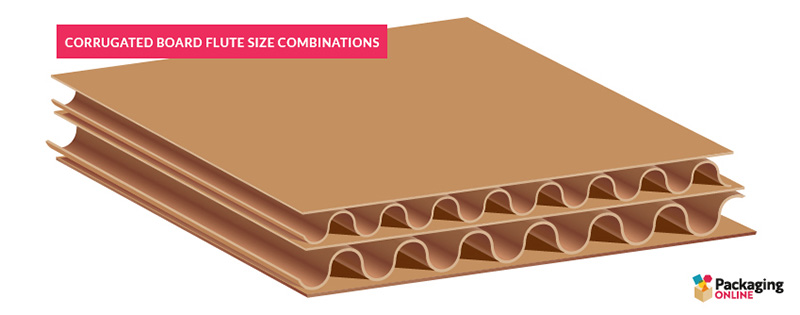
by challengepackaging (https://www.challengepackaging.co.uk/faqs/corrugated-board-grades-guide/)
Insulation is only half the battle. You also have to manage the internal micro-climate. If you toss a cold pack directly next to a cocoa butter product, you risk localized freezing or severe moisture damage from condensation.
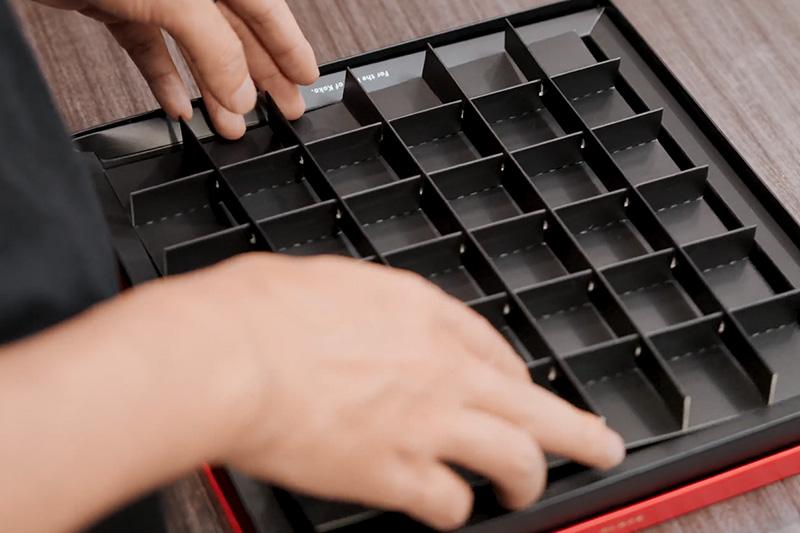
This is where customized structural inserts do the heavy lifting. A well-engineered paper insert doesn't just grip the chocolate tightly to prevent physical abrasion; it intentionally maps out specific cavities for refrigerants. Our structural engineers calculate the exact millimeter distance needed between the gel pack and the chocolate. We create ventilation channels within the internal paper structure so the chilled air circulates evenly throughout the box, keeping the temperature stable without causing frostbite to the product.
When the temperature inside a shipping box shifts, the physical materials react. Cheap paper stock and low-grade adhesives can start off-gassing, releasing invisible chemical odors. Because chocolate has a high fat content, it acts like a sponge, absorbing these surrounding smells and ruining the flavor profile before the customer even takes a bite.
You cannot cut corners on raw materials in this industry. Every component we run through our printing presses qualifies as strict food safe packaging. We utilize FDA-compliant paper stocks and low-VOC (volatile organic compound) soy-based inks. Even if the box gets warm while sitting on a customer's porch in July, these materials remain completely stable and odorless. The integrity of your recipe stays intact.
A highly protective thermal shipper shouldn't look like a clinical medical cooler. Brand perception dictates that unboxing must remain a high-end experience. The beauty of engineered paper structures is that functionality can hide seamlessly behind aesthetics.
We regularly design internal thermal buffers that fit perfectly inside luxury chocolate gift boxes. You can still utilize soft-touch laminations, rigid magnetic closures, and heavy foil stamping on the exterior presentation. The customer sees a beautiful, flawless display, completely unaware of the heavy-duty corrugated engineering hiding beneath the surface to keep everything cool.
If you are tired of writing off summer inventory due to heat damage, it’s time to upgrade your structural layouts. By investing in properly engineered custom chocolate boxes, you drastically reduce return rates and protect your hard-earned brand reputation. Contact Brothersbox to check out our factory capabilities and request a custom dieline for your next seasonal rollout.